Sensory Integration Therapy
Dr. Prabhakar Pradhan, (M.O.T), holds certification from the Sensory Integration Certification Program, jointly developed by the University of Southern California and Western Psychological Services (WPS) one of the most rigorous and respected credentialing pathways in pediatric occupational therapy. This training qualifies him to administer and interpret the Sensory Integration and Praxis Tests (SIPT), a standardized assessment used to identify sensory processing and motor planning (praxis) difficulties in children.
Grounded in the foundational research of Dr. A. Jean Ayres, this certification reflects advanced expertise in evaluating how children process sensory information touch, movement, body awareness, sound, and sight and in designing individualized, evidence-based therapy plans to support attention, coordination, emotional regulation, and everyday independence.
A Comprehensive Guide to the Therapy Process, Who Benefits,
Early Signs, and Why Early Intervention Matters
Sensory Integration Therapy is a specialized, evidence-informed Occupational Therapy approach developed by Dr. A. Jean Ayres to help children who have difficulty processing and integrating sensory information. SIT focuses on improving the brain’s ability to organize and interpret sensory input from the body and environment, enabling children to participate more successfully in everyday activities.
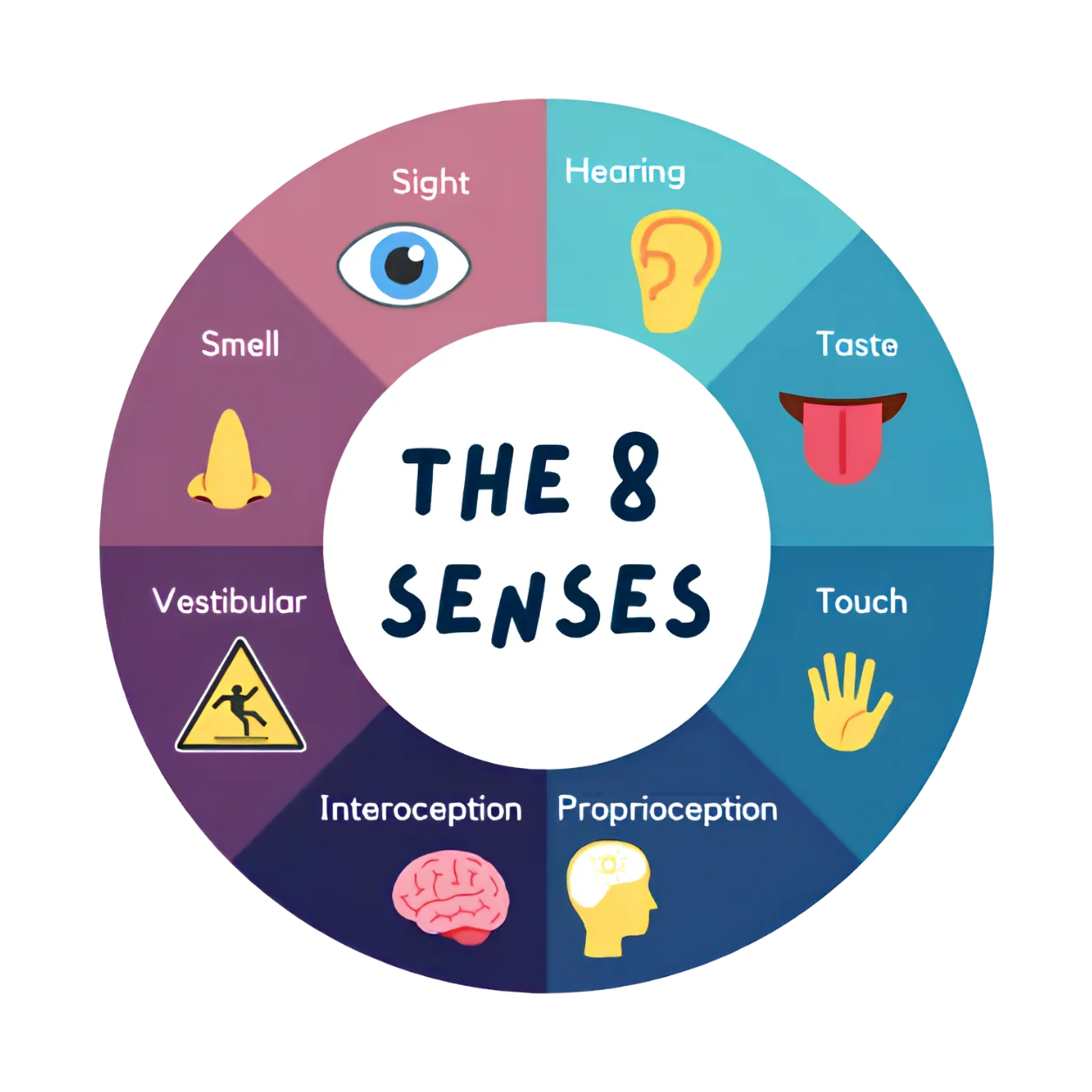
Children constantly receive sensory information through touch, movement, body awareness, vision, hearing, smell, taste, and internal body sensations. When the brain processes this information efficiently, children can move, learn, communicate, regulate emotions, play, and interact with others effectively. When sensory processing is disrupted, these everyday activities may become difficult. Sensory Integration Therapy provides individualized, child-led, play-based intervention in a specially designed sensory environment, helping children develop adaptive responses that support participation at home, school, and in the community.
Sensory Intervention approaches and techniques:
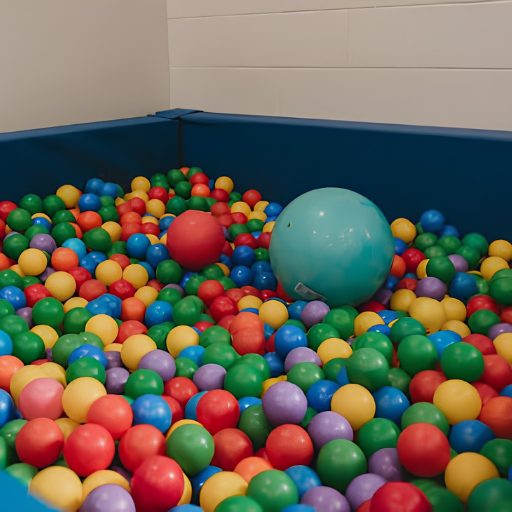
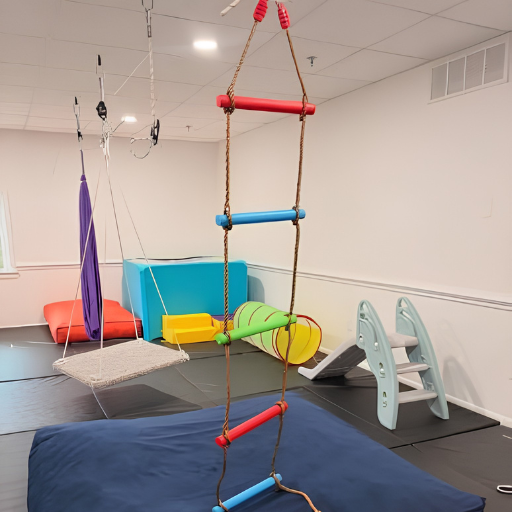
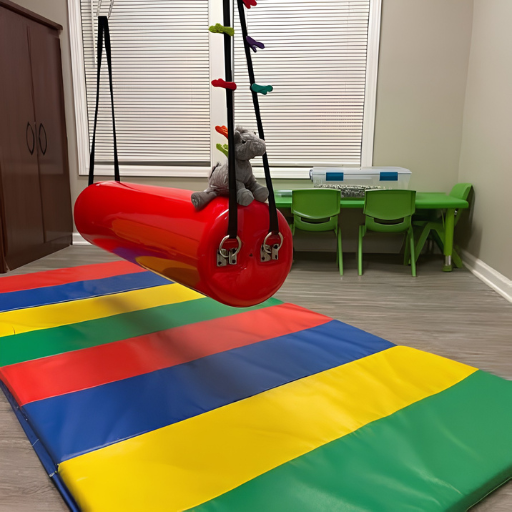
A clinical, play-based OT approach (Ayres Sensory Integration) where a therapist guides the person through structured, sensory-rich activities in a controlled environment to help the brain process and organize sensory input.
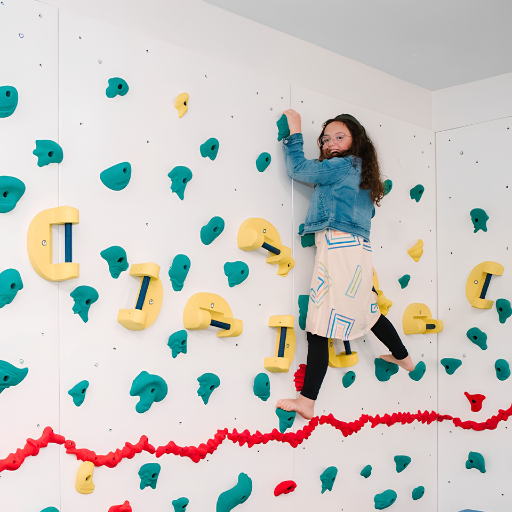
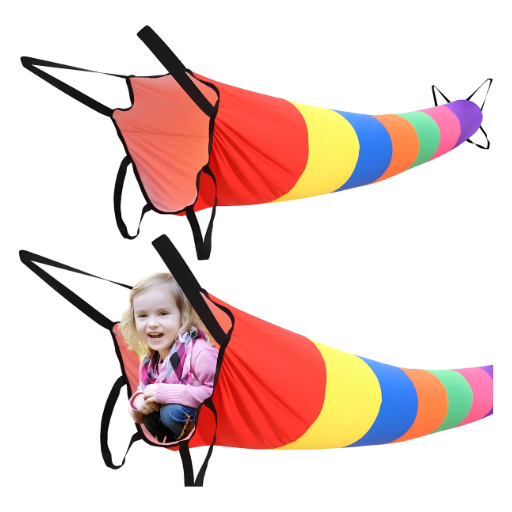
- Suspended swings, ball pits, climbing walls for vestibular/proprioceptive input
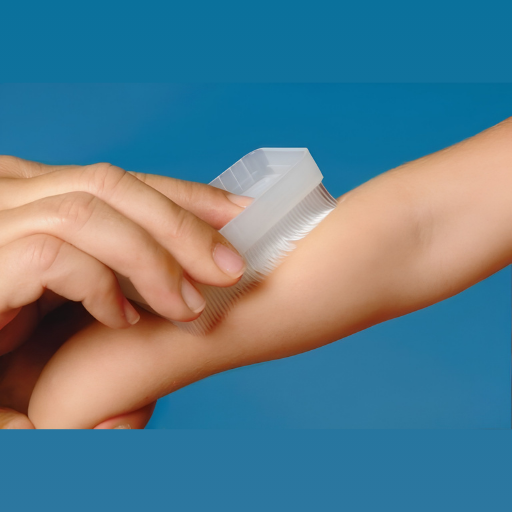
- Brushing protocols (e.g., Wilbarger technique) for tactile defensiveness
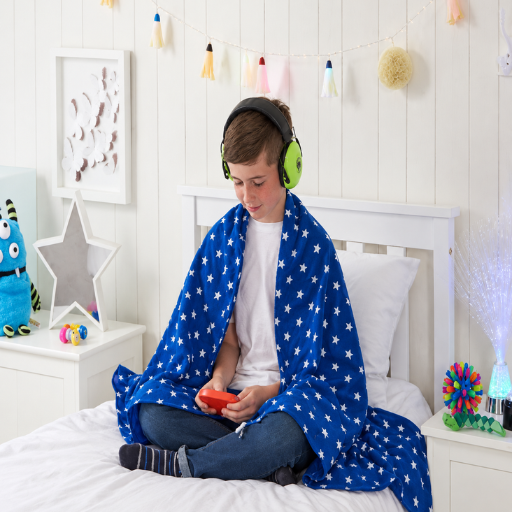
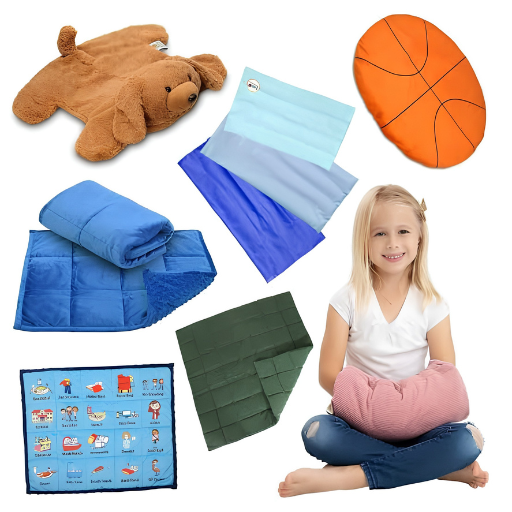
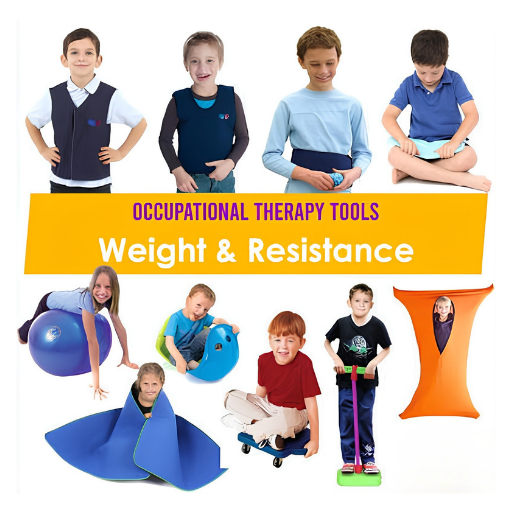
- Weighted vests, blankets, or lap pads for deep pressure input
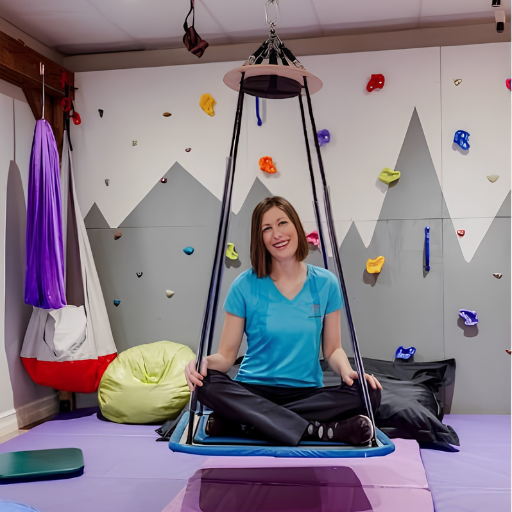
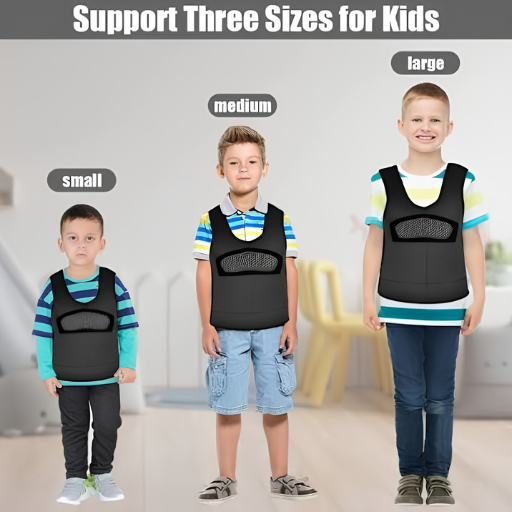
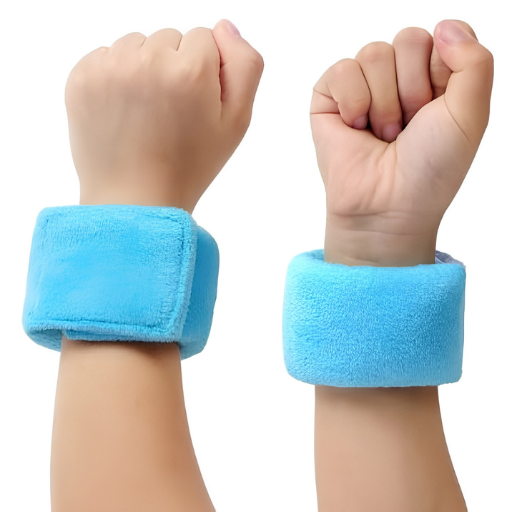
Sensory Diet
A personalized, scheduled set of physical activities and sensory experiences built into someone’s day to help maintain an optimal level of alertness and regulation.
- Scheduled movement breaks (jumping, wall push-ups, chewing gum)
- Fidget tools or textured objects for tactile input during tasks
- Calming input like rocking or slow deep breathing when overstimulated
Environmental Modification
Changing the physical space to reduce sensory overload or provide needed input, often used in classrooms, workplaces, or homes.
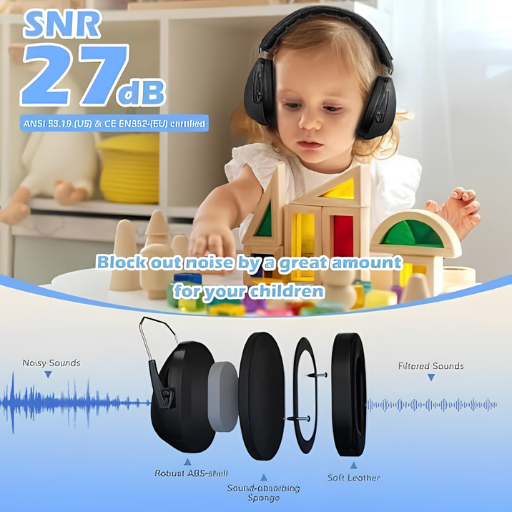
- Noise-canceling headphones or earplugs for auditory sensitivity
- Dimmed or natural lighting instead of fluorescent lights
- Quiet 'sensory corners' or calm-down spaces
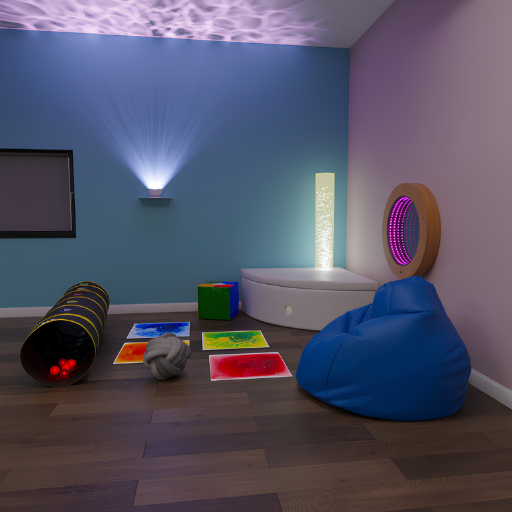
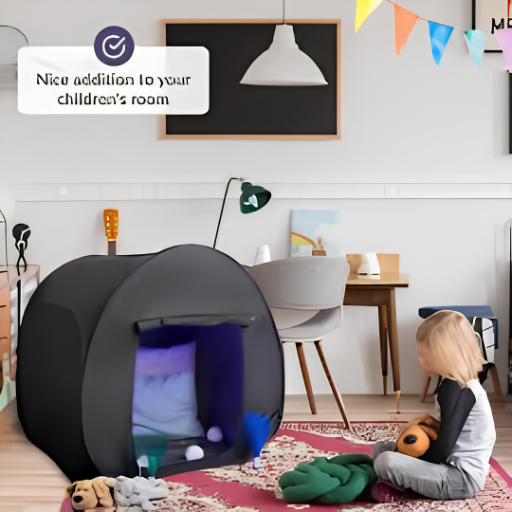
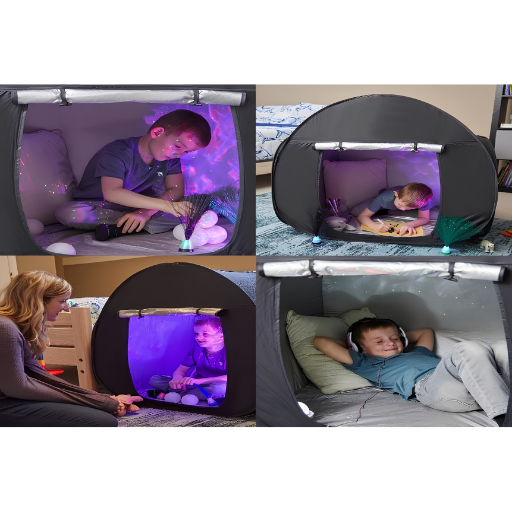
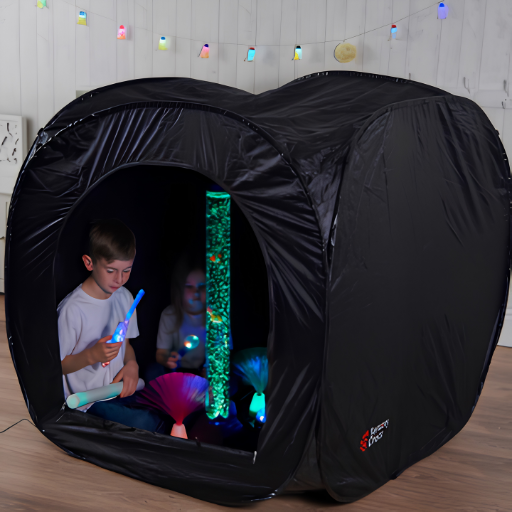
Tools & Equipment-Based Strategies
Specific products designed to regulate the nervous system through targeted sensory input, often used alongside therapy or independently.
- Weighted blankets or vests for proprioceptive/calming input
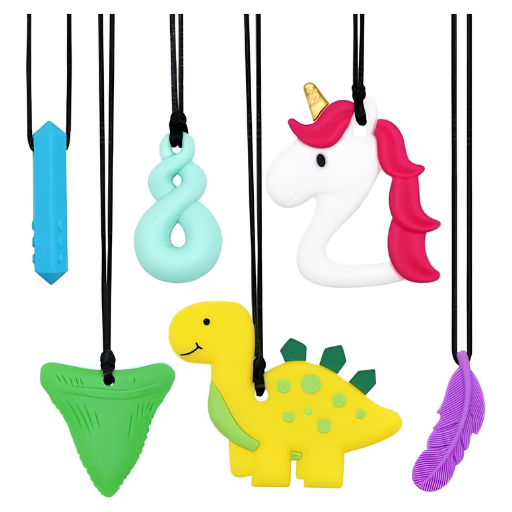
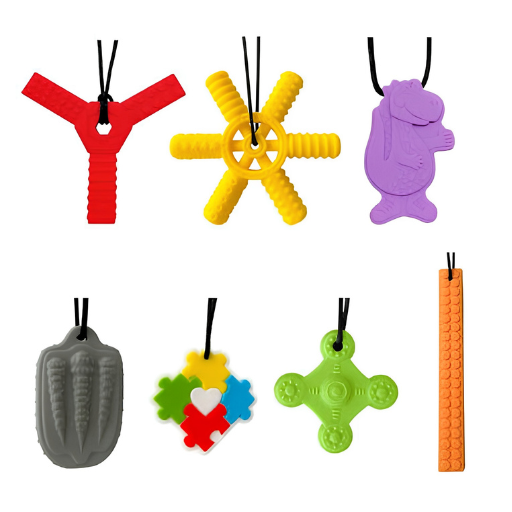
- Chewable jewelry ('chewelry') for oral sensory seekers
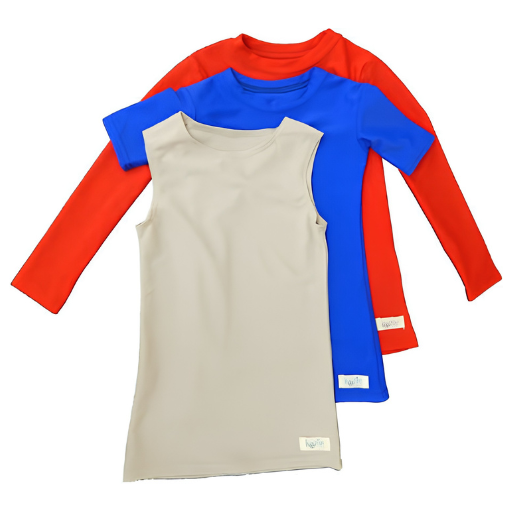
- Compression clothing for deep pressure
Behavioral & Self-Regulation Techniques
Approaches that teach self-awareness and coping strategies for managing sensory responses, often combined with cognitive-behavioral methods.
- Zones of Regulation or similar emotional/sensory awareness
- Deep breathing, progressive muscle relaxation
- Self-advocacy training (recognizing and communicating sensory needs)
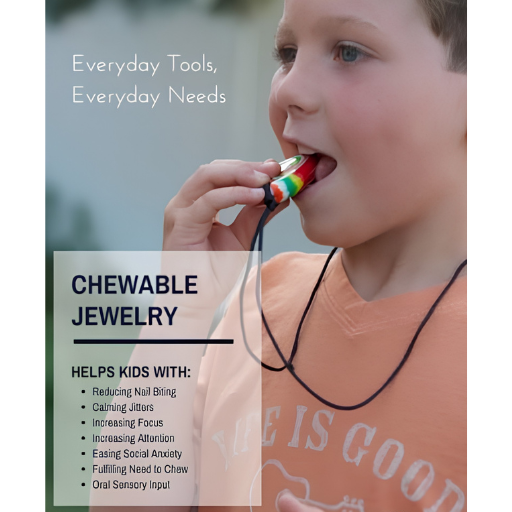
Why is Sensory Integration Therapy Required?
Sensory processing is the foundation for learning, behavior, movement, communication, and emotional regulation. Some children have difficulty organizing and responding appropriately to sensory information, which may affect many aspects of their daily life.
Children with sensory processing challenges may experience difficulties with:
- Paying attention and concentrating
- Managing emotions and behavior
- Balance and coordination
- Motor planning (praxis)
- Fine motor and handwriting skills
- Learning new skills
- Participating in classroom activities
- Self-care and daily routines
- Play and social interaction
- Coping with everyday sensory experiences such as noise, touch, movement, or busy environments
Sensory Integration Therapy helps children improve their ability to process sensory information, allowing them to respond more adaptively and participate more successfully in meaningful daily activities.
Who Can Benefit from Sensory Integration Therapy?
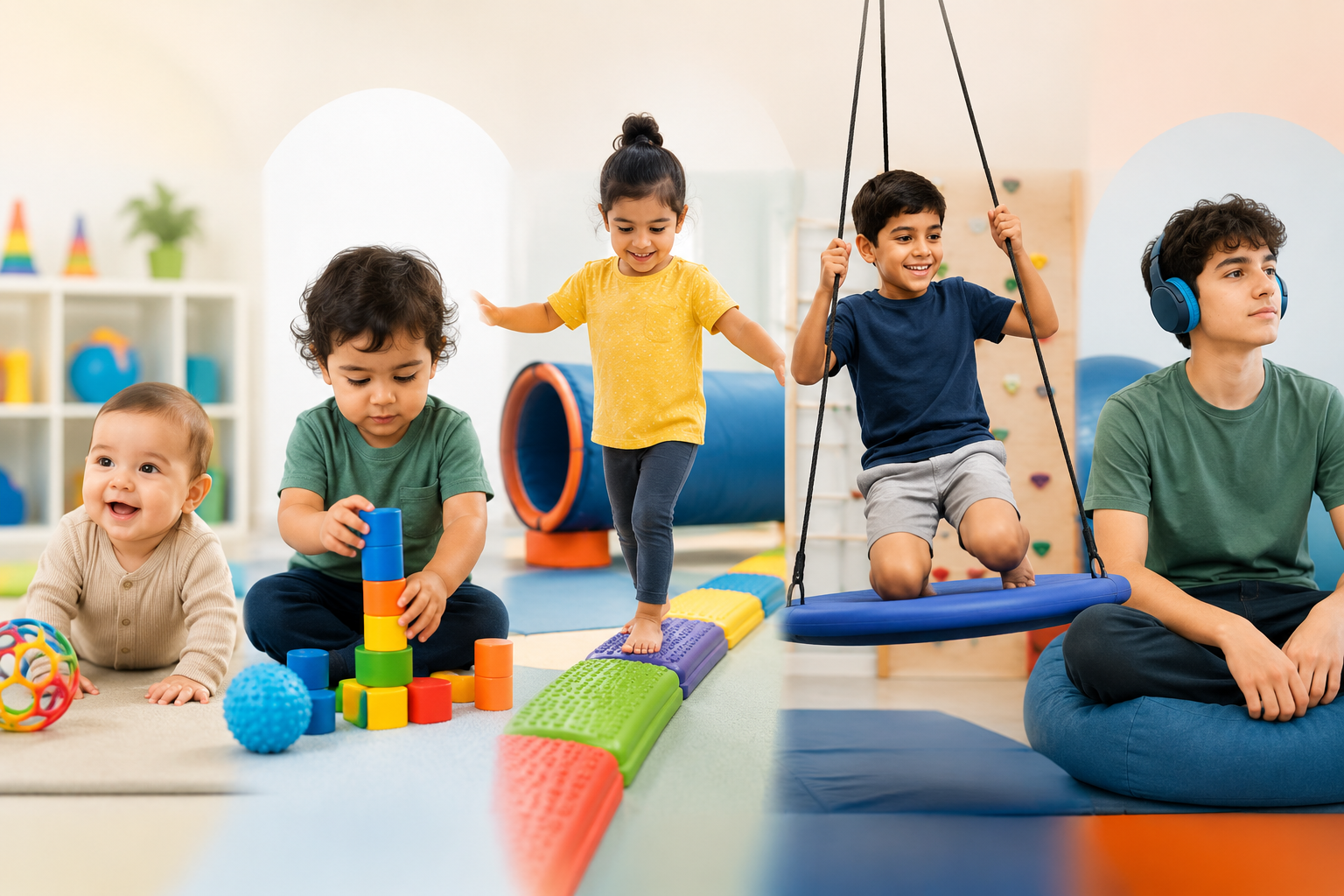
Sensory Integration Therapy may benefit children from 6 months through adolescence who demonstrate sensory processing and sensory integration difficulties that interfere with daily functioning.
Children who may benefit include those with:
- Autism Spectrum Disorder (ASD)
- Attention-Deficit/Hyperactivity Disorder (ADHD)
- Sensory Processing Disorder (SPD)
- Developmental Delay (DD)
- Global Developmental Delay (GDD)
- Developmental Coordination Disorder (DCD/Dyspraxia)
- Cerebral Palsy (when appropriate)
- Down Syndrome
- Learning Disabilities
- Intellectual Disability
- Prematurity-related developmental concerns
- Genetic syndromes affecting sensory-motor development
- Children with poor balance, coordination, or motor planning
- Children with sensory modulation or self-regulation difficulties
A formal diagnosis is not always required. Any child experiencing significant sensory processing challenges affecting participation at home, school, or in the community may benefit from a comprehensive Occupational Therapy assessment.
Common Signs That a Child May Need Sensory Integration Therapy
Tactile Processing (Touch)
The tactile system processes information received through the skin. It helps children recognize touch, pressure, temperature, pain, and texture. It also supports body awareness, emotional security, fine motor development, and exploration of the environment.
Signs and Symptoms
A child may:
- Avoid messy play (paint, sand, clay, glue)
- Dislike certain clothing textures or tags
- Resist haircuts, nail trimming, or tooth brushing
- Become upset when touched unexpectedly
- Seek excessive touching of people or objects
Proprioceptive Processing (Body Awareness)
The proprioceptive system provides information from muscles and joints about body position, movement, and the amount of force being used. It helps children coordinate movements, maintain posture, and perform tasks smoothly without constantly looking at their body.
Signs and Symptoms
A child may:
- Frequently bump into people or furniture
- Use too much or too little force during activities
- Seek pushing, pulling, crashing, or heavy work
- Have difficulty judging body position
- Appear clumsy or uncoordinated
- Tire easily during physical activities
Vestibular Processing (Movement & Balance)
The vestibular system, located in the inner ear, detects movement, gravity, and head position. It helps maintain balance, posture, coordination, attention, and eye movements while supporting overall body control.
Signs and Symptoms
A child may:
- Fear swings, slides, or climbing equipment
- Become dizzy or uncomfortable with movement
- Constantly seek spinning, jumping, or swinging
- Have poor balance and coordination
- Fall frequently or appear clumsy
- Have difficulty sitting upright during activities
Visual Processing
Visual processing refers to how the brain interprets and makes sense of visual information. It is different from eyesight a child may have normal vision but still struggle to process what they see.
Signs and Symptoms
A child may:
- Have difficulty recognizing letters, numbers, or shapes
- Lose their place while reading or copying from the board
- Struggle with puzzles, matching, or visual discrimination tasks
- Have poor hand-eye coordination
- Be sensitive to bright lights or visually busy environments
- Find it difficult to locate objects in a cluttered space
- Experience challenges with visual attention and tracking
- Have difficulty with handwriting, spacing, or copying tasks
Auditory Processing
Auditory processing refers to how the brain interprets and responds to sounds. It is different from hearing ability a child may hear normally but have difficulty processing auditory information.
Signs and Symptoms
A child may:
- Be easily distracted by background noise
- Cover their ears in response to everyday sounds
- Have difficulty following spoken instructions
- Frequently ask for repetition or appear not to listen
- Struggle to distinguish similar sounds or words
- Become overwhelmed in noisy environments such as classrooms
- Have difficulty remembering verbal information
- Respond slowly to verbal directions
- Have challenges participating in group conversations
Oral Sensory Processing
The oral sensory system processes sensations inside the mouth, including taste, texture, temperature, and movement. It plays an important role in feeding, chewing, swallowing, speech development, and oral awareness.
Signs and Symptoms
A child may:
- Be a very picky eater
- Avoid certain food textures or temperatures
- Prefer chewing on toys, clothing, or non-food items
- Have difficulty chewing or swallowing certain foods
- Seek strong flavors or crunchy foods
Olfactory Processing (Smell)
The olfactory system helps the brain detect and identify smells. It contributes to food preferences, safety (e.g., detecting smoke), memory, and emotional responses.
Signs and Symptoms
A child may:
- Be overly sensitive to everyday smells
- Avoid certain environments because of odors
- Frequently smell objects or food
- Show strong emotional reactions to smells
Gustatory Processing (Taste)
The gustatory system enables the brain to recognize different tastes such as sweet, sour, salty, bitter, and umami. It influences eating habits, food preferences, and nutrition.
Signs and Symptoms
A child may:
- Prefer only specific tastes or flavors
- Refuse many foods due to taste
- Seek very spicy, sour, or strongly flavored foods
- Have a very limited food repertoire
Interoception (Internal Body Awareness)
The interoceptive system helps children recognize and interpret internal body signals such as hunger, thirst, fullness, pain, temperature, fatigue, the need to use the toilet, and emotional states. It plays a key role in self-awareness and self-regulation.
Signs and Symptoms
A child may:
- Not recognize hunger or thirst
- Have difficulty recognizing the need to use the toilet
- Be unaware of fatigue or pain
- Have difficulty identifying or expressing emotions
- Struggle with self-regulation
Motor Planning (Praxis)
- Difficulty learning new motor skills
- Poor coordination
- Difficulty sequencing movements
- Challenges with dressing, handwriting, or sports
Attention and Self-Regulation
- Poor attention
- Hyperactivity
- Emotional outbursts
- Difficulty transitioning between activities
- Poor frustration tolerance
Expert Support for Your
Child’s Development
14+
Years of
Trusted Care
5.0

Patient Satisfaction
Expert Support for Your Child’s Development
14+
Years of Trusted Care
5.0
Patient Satisfaction

Committed to helping children reach their full potential through compassionate care and evidence based occupational therapy.